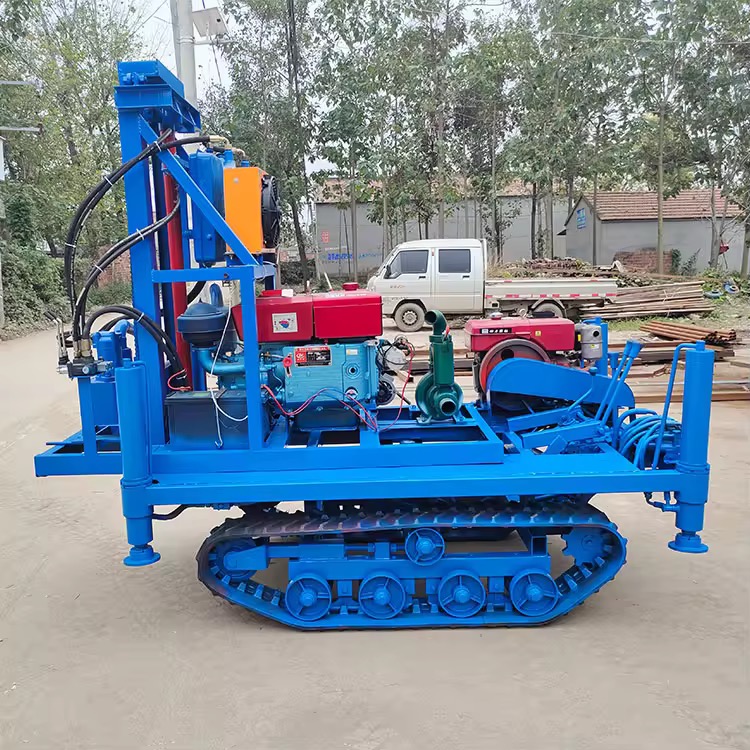
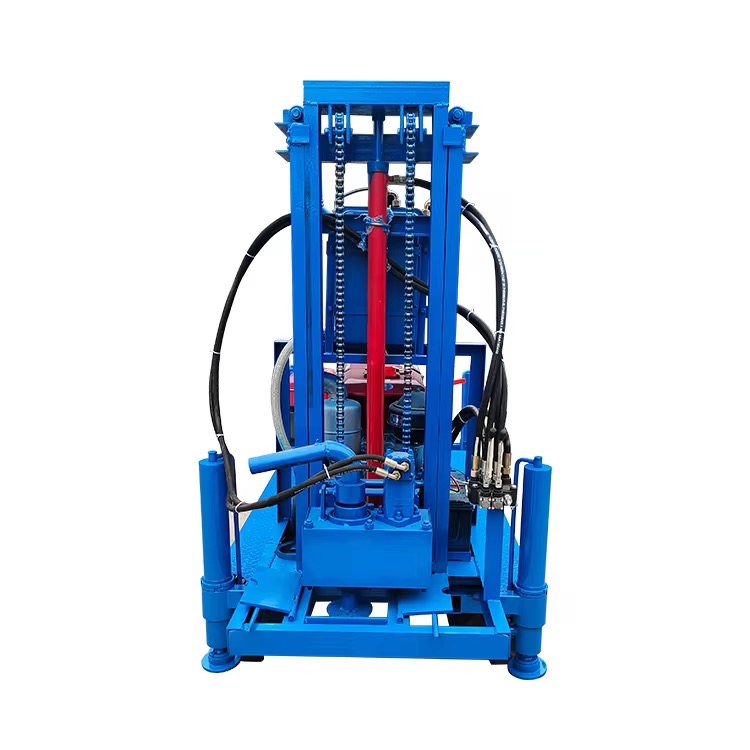
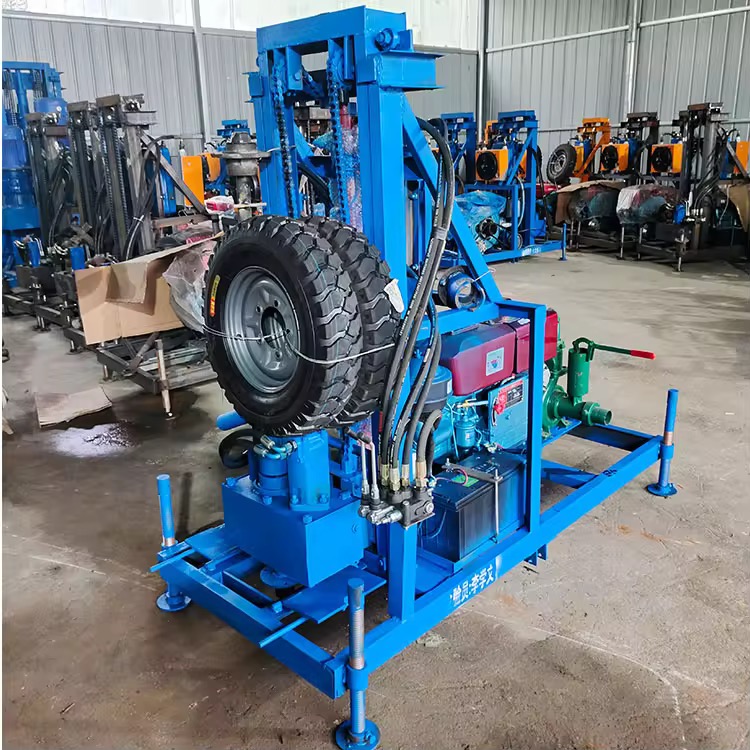
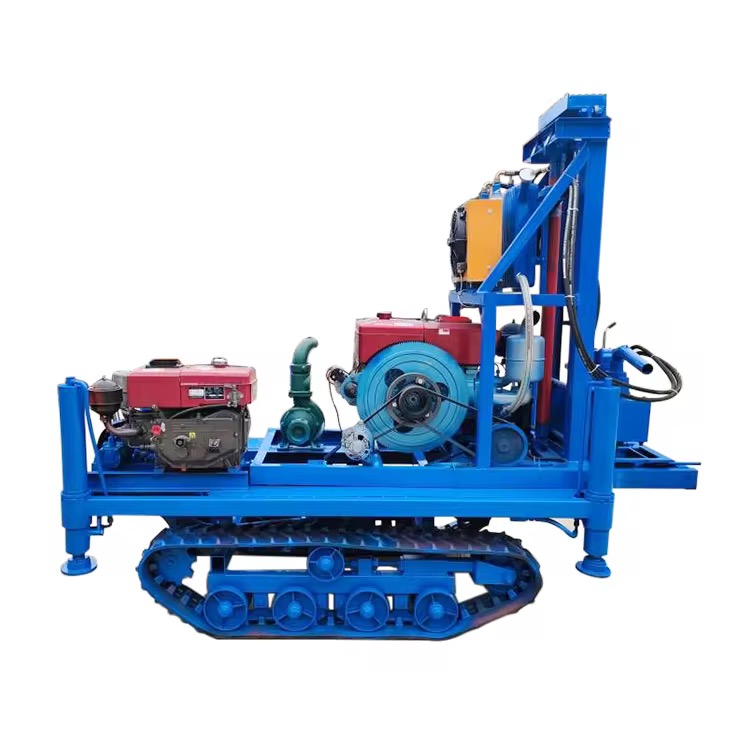
Well Drilling Rig: An Overview
A well drilling rig is a complex assembly of equipment designed to bore holes into the earth’s subsurface for various purposes, including water extraction, oil and gas exploration, geothermal energy, or environmental monitoring. Below is a structured breakdown of its key aspects:
1. Components of a Drilling Rig
-
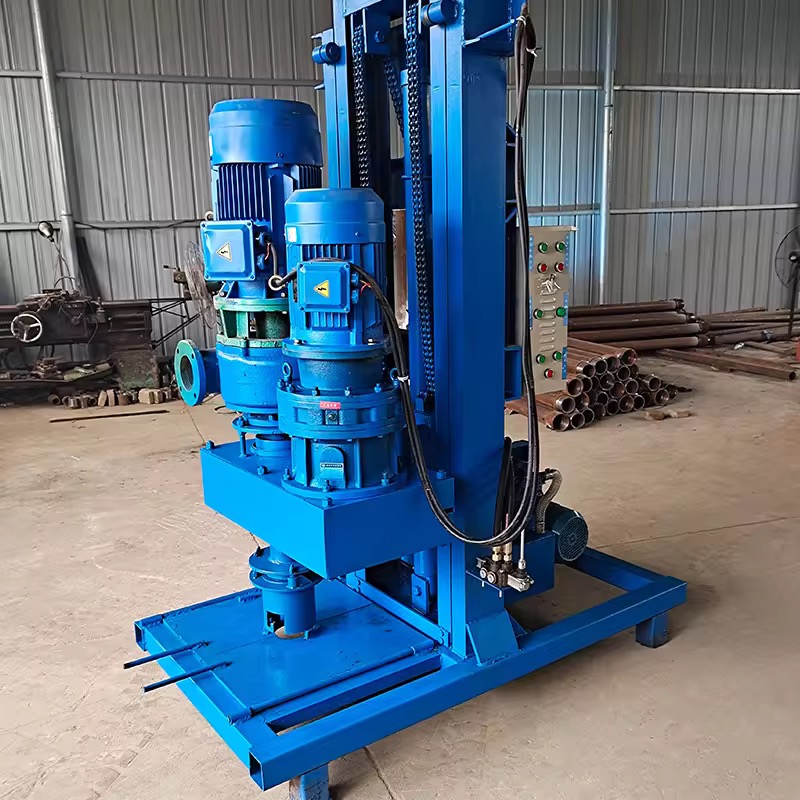
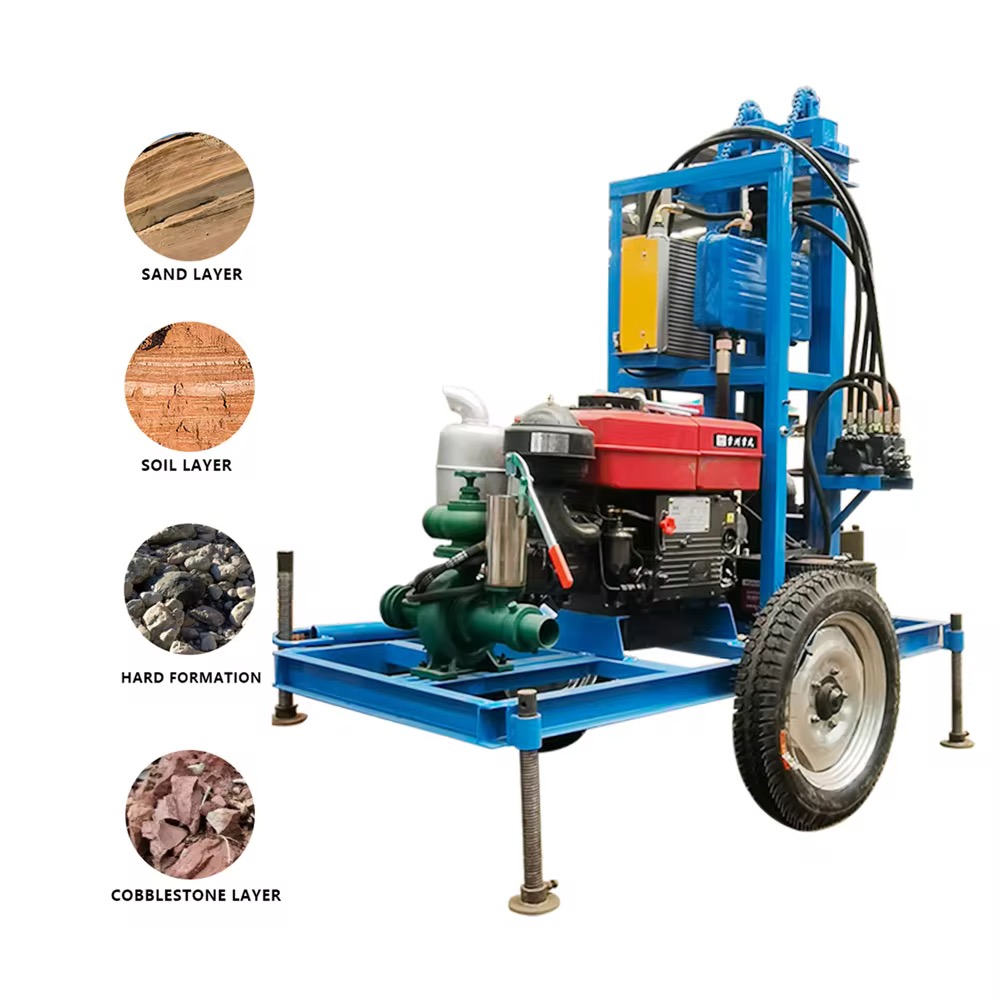
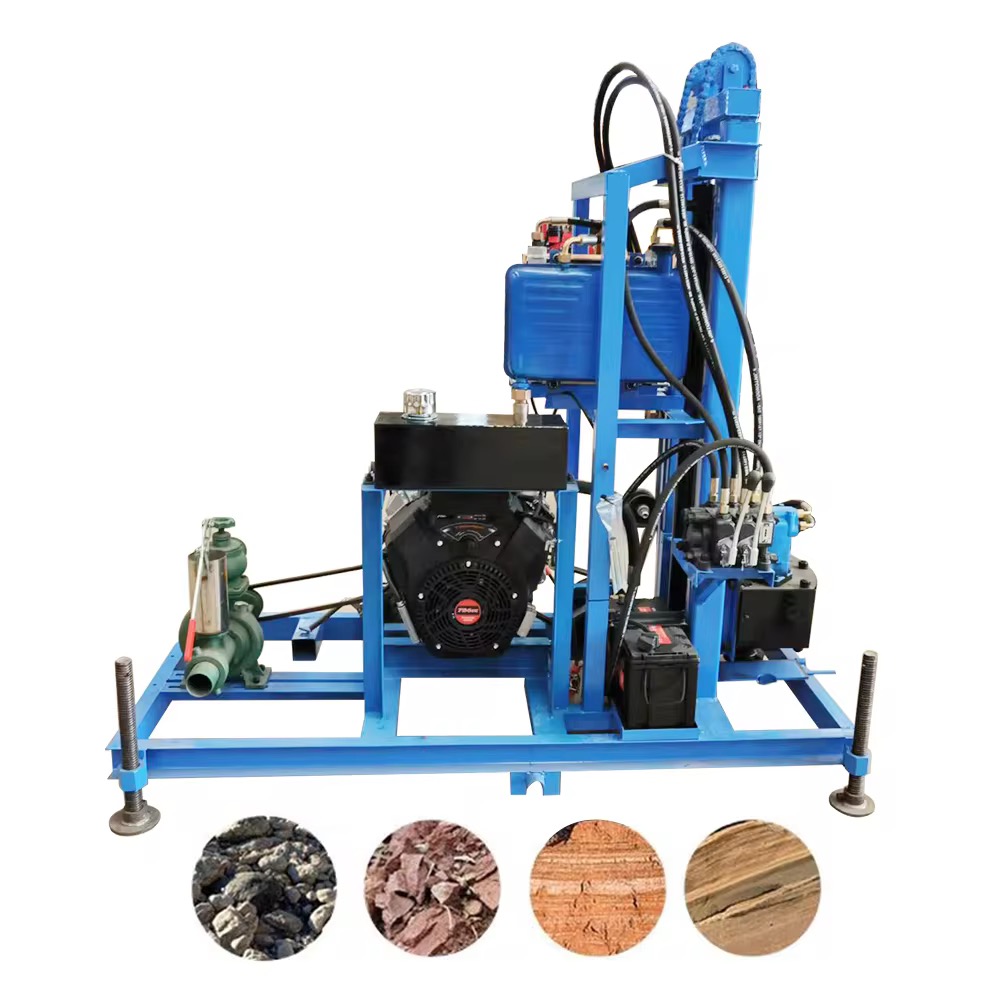
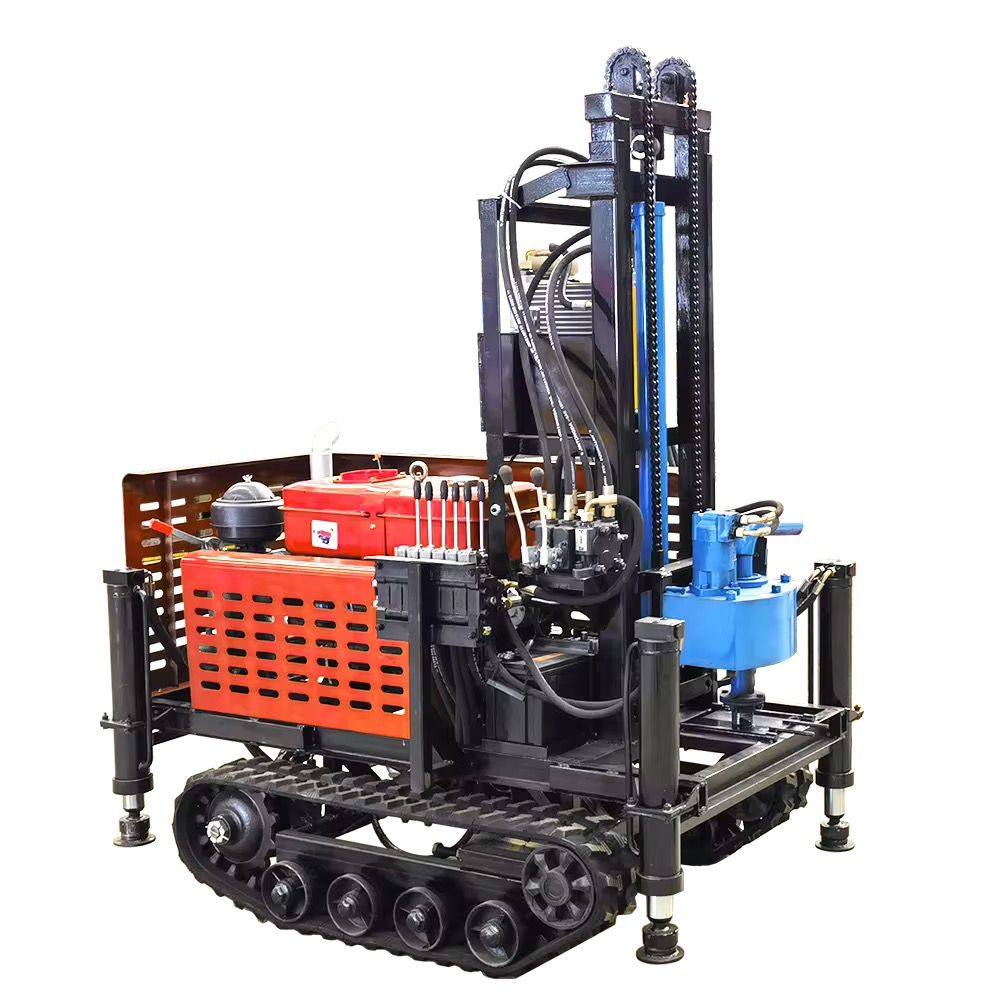
Derrick/Mast: A tall structure supporting drilling equipment and hoisting the drill string.
-
Drill String: Series of connected pipes transmitting rotational force to the drill bit.
-
Drill Bit: Attached to the drill string, it crushes or cuts through subsurface formations.
-
Rotary System: Rotates the drill bit (e.g., rotary table or top drive).
-
Hoisting System: Winches and cables for lifting/lowering the drill string.
-
Mud Circulation System: Pumps drilling fluid (“mud”) to cool the bit, remove cuttings, and stabilize the wellbore.
-
Blowout Preventer (BOP): Critical safety device in oil/gas drilling to control pressure surges.
2. Types of Rigs
-
By Purpose:
-
Water Wells: Smaller, truck-mounted rigs for shallow depths.
-
Oil/Gas Rigs: Larger, more powerful, often with advanced pressure control systems.
-
Geothermal Rigs: Designed for high-temperature environments.
-
Environmental/Monitoring Wells: Portable rigs for sampling or remediation.
-
-
By Location:
-
Onshore: Includes portable truck rigs or heavy land-based rigs.
-
Offshore: Platforms, drillships, or jack-up rigs used in oceans.
-
3. Drilling Methods
-
Rotary Drilling: Most common; uses a rotating bit with circulating fluid.
-
Percussion/Cable Tool: Traditional method using a repeatedly dropped heavy bit.
-
Auger Drilling: Screw-like drill for soft soils.
-
Directional Drilling: Allows angled or horizontal wells for resource access or minimal surface disruption.
4. Applications
-
Resource Extraction: Water, oil, natural gas.
-
Geothermal Systems: Installing ground-source heat pumps.
-
Environmental: Monitoring groundwater or installing remediation wells.
-
Geotechnical Investigations: Soil sampling for construction projects.
5. Drilling Process
-
Site Preparation: Clearing land, securing permits.
-
Drilling: Rotating/driving the bit while circulating fluid.
-
Casing Installation: Steel/plastic lining to prevent collapse and contamination.
-
Cementing: Sealing the casing to isolate formations.
-
Completion: Installing pumps (water wells) or production equipment (oil/gas).
-
Decommissioning: Plugging abandoned wells to protect groundwater.
6. Environmental & Safety Considerations
-
Contamination Prevention: Proper casing and mud disposal to protect aquifers.
-
Regulations: Compliance with local laws on well construction and fluid management.
-
Safety Protocols: Pressure control (BOPs), crew training, and emergency plans.
7. Challenges
-
Geological Uncertainty: Unanticipated rock formations or fluids.
-
Depth/Terrain: Deeper wells require robust equipment; remote sites need portable rigs.
-
Cost Factors: Depth, terrain, and regulatory hurdles influence expenses.