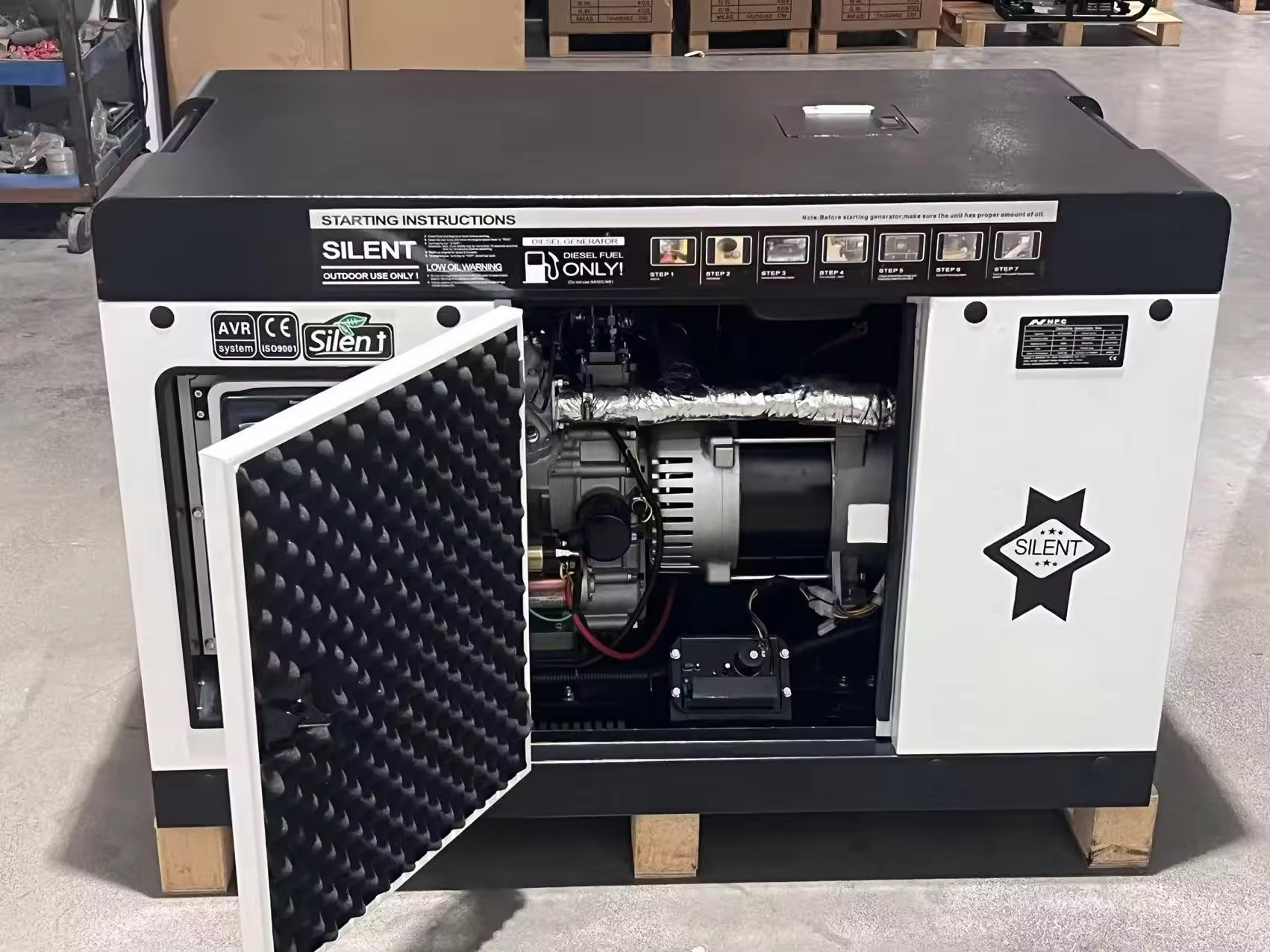
Heavy-Duty Generator: An Overview
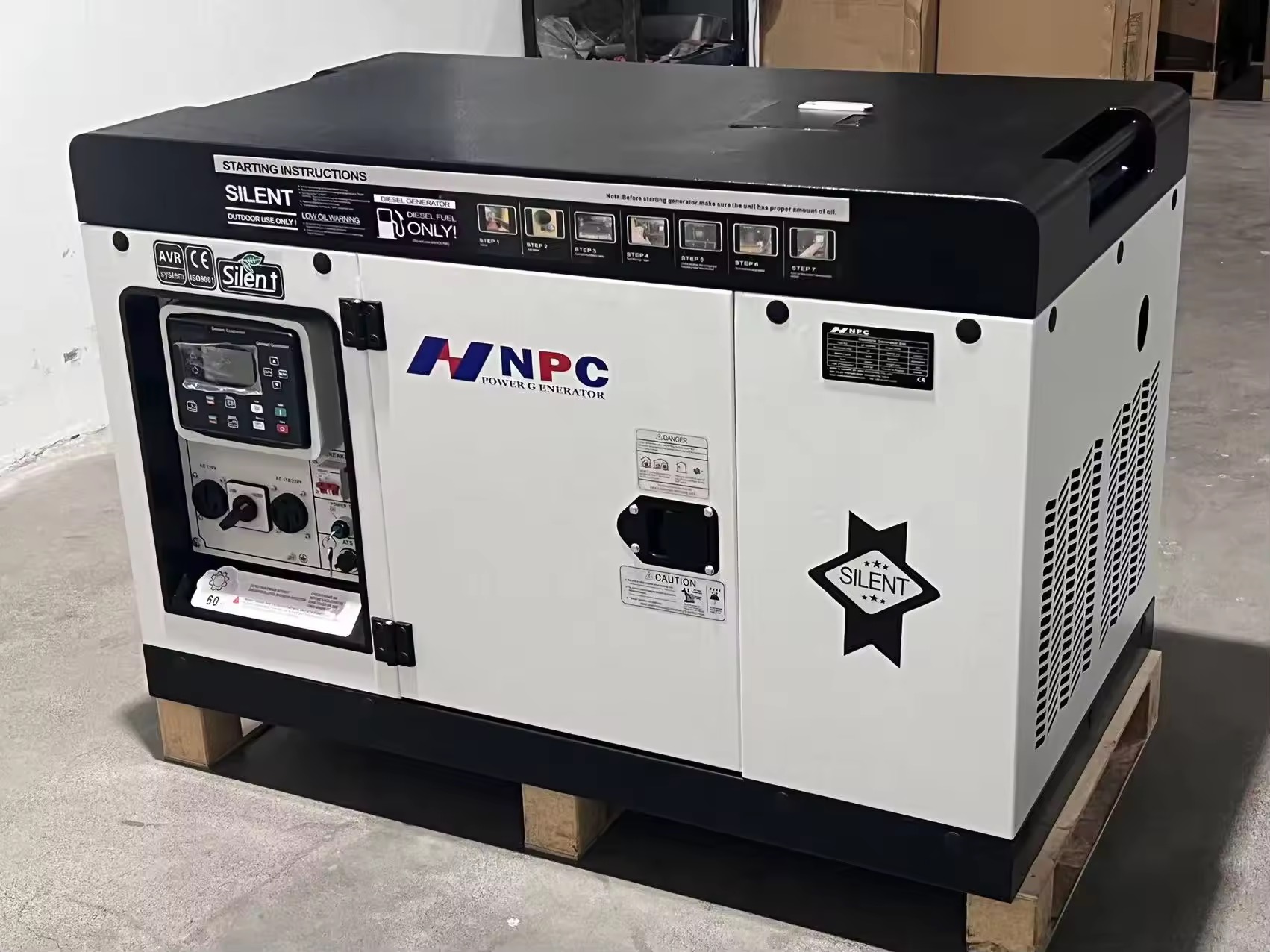
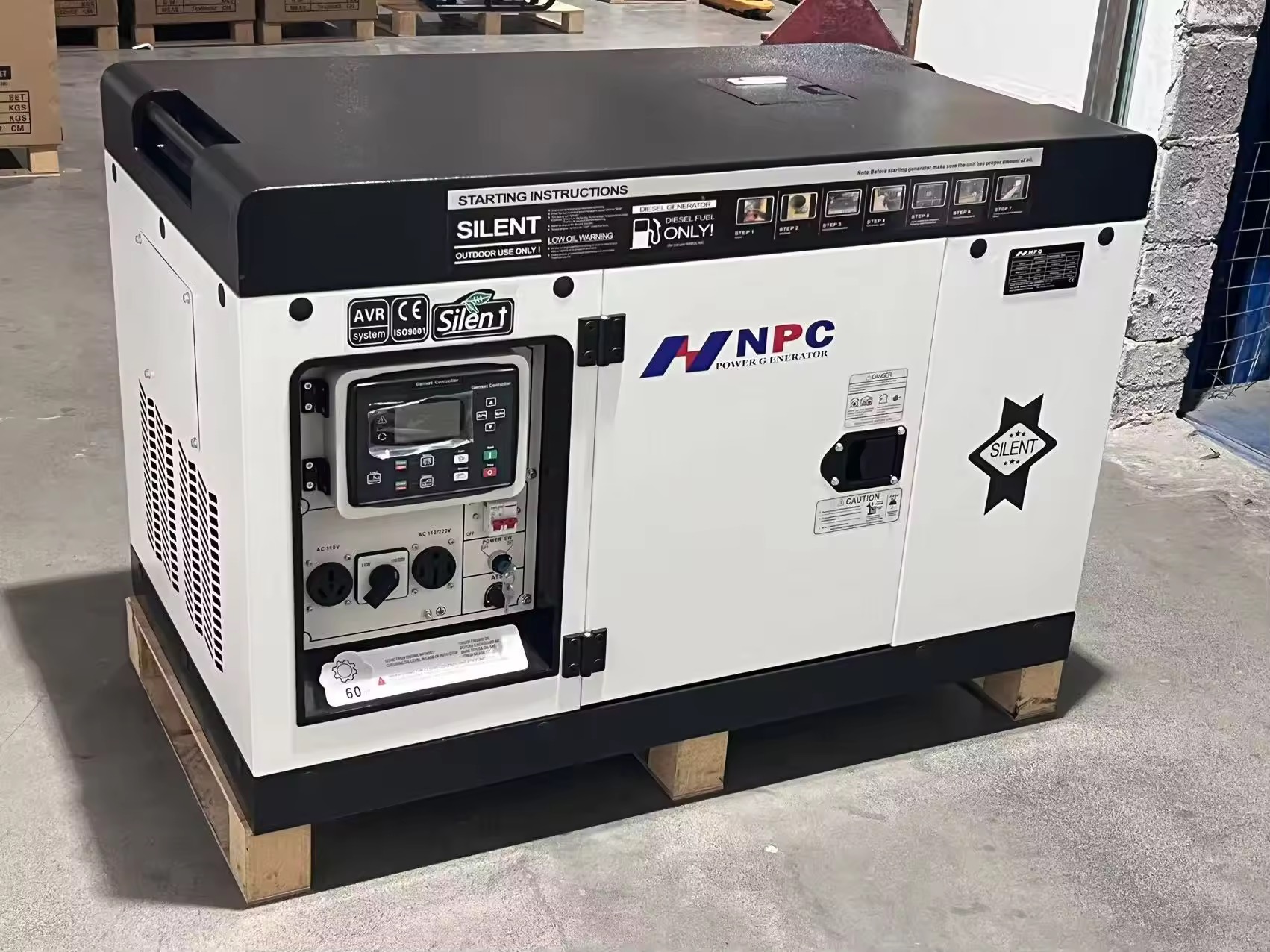
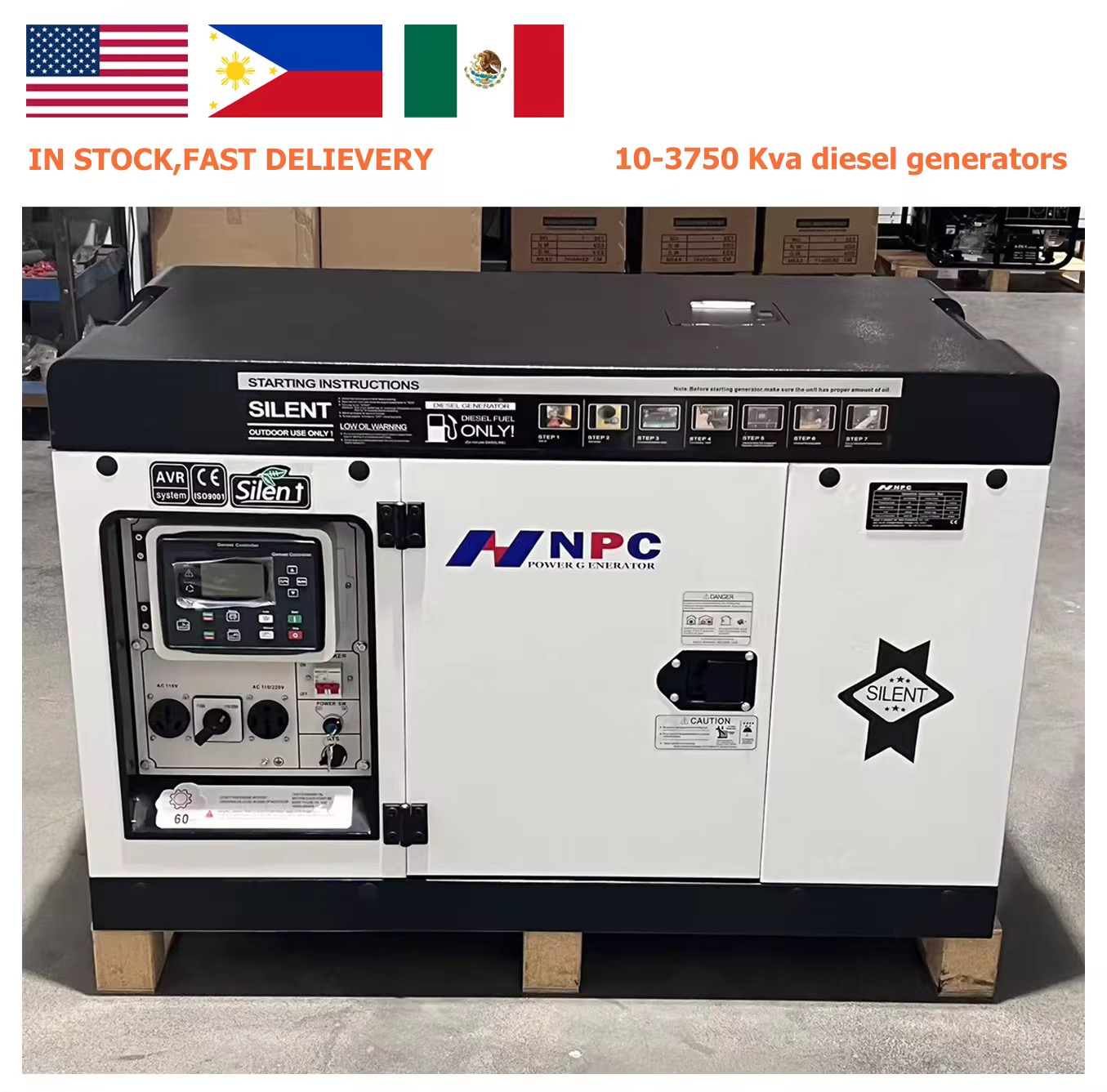
A heavy-duty generator is a robust, high-capacity power generation system designed to deliver reliable electricity in demanding environments, often for prolonged periods. These generators are critical in industries where continuous, uninterrupted power is essential, such as mining, oil and gas, construction, and disaster recovery. Below is a detailed breakdown tailored to their unique features and applications:
1. Core Features of Heavy-Duty Generators
-
High Power Output: Ranges from 100 kVA to 3,000+ kVA (or more for industrial megaprojects).
-
Durability: Built to withstand harsh conditions (extreme temperatures, dust, moisture, vibrations).
-
Fuel Efficiency: Optimized engines (e.g., diesel, natural gas, or dual-fuel) for long runtime and reduced operational costs.
-
Continuous Operation: Designed for 24/7 use with minimal downtime (e.g., prime or standby power modes).
-
Scalability: Modular designs allow parallel operation for increased capacity.
2. Key Components
-
Industrial-Grade Engine:
-
Turbocharged diesel engines (e.g., Cummins, Caterpillar) for high torque and longevity.
-
Liquid-cooled systems to manage heat during extended use.
-
-
Heavy-Duty Alternator:
-
Brushless, self-excited designs for low maintenance and stable voltage output.
-
Reinforced windings and insulation for high electrical loads.
-
-
Advanced Control Systems:
-
Programmable Logic Controllers (PLCs) for automated monitoring and load management.
-
Remote monitoring via IoT-enabled sensors for real-time diagnostics.
-
-
Robust Enclosures:
-
Weatherproof, sound-attenuated canopies for outdoor/offshore use.
-
Anti-corrosion coatings for marine or chemical-exposed environments.
-
3. Primary Applications
-
Oil & Gas: Powering drilling rigs, offshore platforms, and pipeline operations.
-
Mining: Providing electricity for heavy machinery, ventilation, and processing plants.
-
Construction: Running cranes, concrete mixers, and temporary site infrastructure.
-
Data Centers: Backup power to prevent downtime during grid failures.
-
Disaster Response: Emergency power for hospitals, shelters, and communication networks.
-
Manufacturing: Supporting uninterrupted production lines.
4. Selection Criteria
-
Power Requirements: Calculate total load (kW/kVA) and factor in peak demand.
-
Fuel Type:
-
Diesel: High energy density, widely available, suited for remote locations.
-
Natural Gas: Lower emissions, ideal for urban/indoor use.
-
Dual-Fuel: Flexibility to switch between fuels (e.g., diesel + gas).
-
-
Environmental Conditions:
-
Altitude, temperature, and humidity ratings (e.g., derating at high elevations).
-
Compliance with emissions standards (Tier 4 Final, EPA).
-
-
Mobility: Skid-mounted, trailer-mounted, or stationary installations.
5. Challenges & Maintenance
-
Fuel Management: Large tanks require secure storage and spill prevention systems.
-
Heat Dissipation: Regular coolant checks and radiator cleaning to prevent overheating.
-
Noise Control: Critical in urban areas; requires soundproof enclosures.
-
Maintenance Schedule:
-
Daily: Fluid levels, leak inspections.
-
Monthly: Filter replacements, battery testing.
-
Annual: Load bank testing to verify performance under stress.
-
6. Innovations in Heavy-Duty Generators
-
Hybrid Systems: Integrating solar/wind with diesel generators to reduce fuel use.
-
Digital Twin Technology: Simulating generator performance for predictive maintenance.
-
Emissions Reduction: SCR (Selective Catalytic Reduction) and DPF (Diesel Particulate Filters) for cleaner exhaust.
-
Energy Storage Integration: Pairing with batteries to handle load surges and improve efficiency.